
The primary draw of an MBA program is the built-in network—a resource that online tutorials cannot replicate. Access to faculty, guest lecturers, and alumni directories like those at Northwestern’s Kellogg School of Management, which boasts 65,000 members, provides a ready-made ecosystem for feedback and introductions. However, these connections are dormant assets without active cultivation. Founders like Jotform’s creator have successfully bypassed the traditional classroom by building professional communities through meetups and former colleagues, proving that a degree is not the sole gateway to a robust support system.
The MBA Dilemma: Does Formal Education Still Pay Off for Founders?
With fewer than 6% of entrepreneurs holding an MBA, the path to founding a company remains largely self-taught. Yet, demand for business degrees has climbed 45% since 2010. As AI flattens the technical learning curve, the value of business school is shifting from rote knowledge to strategic human connection.
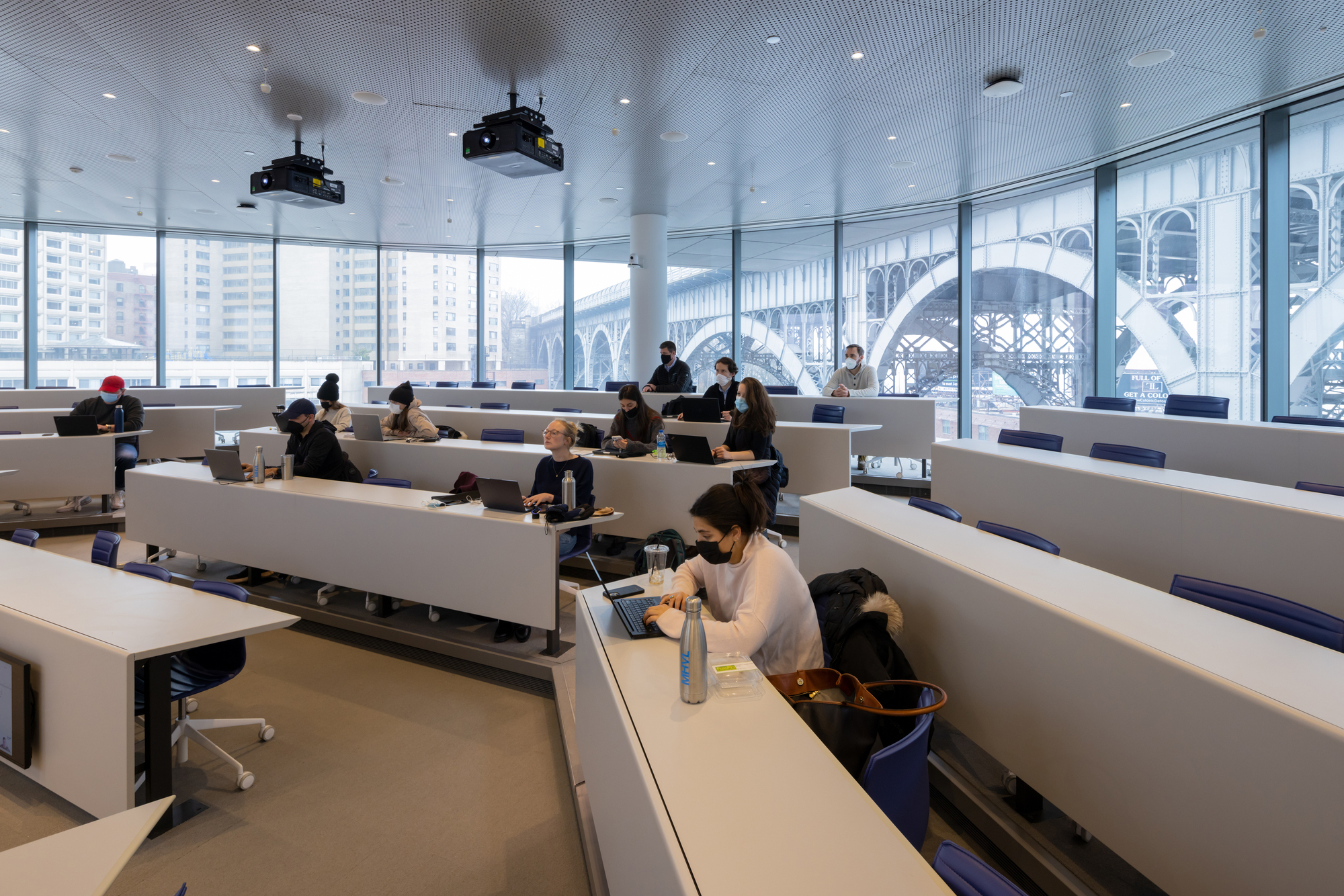
While an MBA offers a structured environment to develop leadership, accounting, and marketing skills, the price tag often exceeds $100,000 annually. For many, this cost is difficult to justify when trial-and-error remains the most practical teacher. Nevertheless, in the era of artificial intelligence, the utility of business school is evolving. While AI can bridge technical knowledge gaps, it cannot replace the soft skills honed in case discussions or the high-stakes collaborative environment of group projects. If the goal is to master strategic thinking and navigate human conflict, the classroom remains a potent, if expensive, training ground.




Comments (0)
No comments yet. Be the first!