
The current obsession with leaderboard supremacy masks a fundamental shift in how AI systems function. While GPT-6 Astra and Anthropic’s Claude Fable 5.1 post nearly identical benchmark results, they deliver vastly different real-world performance. This discrepancy highlights the critical role of the infrastructure—or harness—that manages prompt assembly, tool access, and memory. Research shows that changing the harness alone can swing a model's accuracy by nearly 40 percentage points, proving that what users perceive as model improvement is often just refined engineering around the engine.
Beyond the Benchmark: Why AI Harnesses Matter More Than Raw Scores
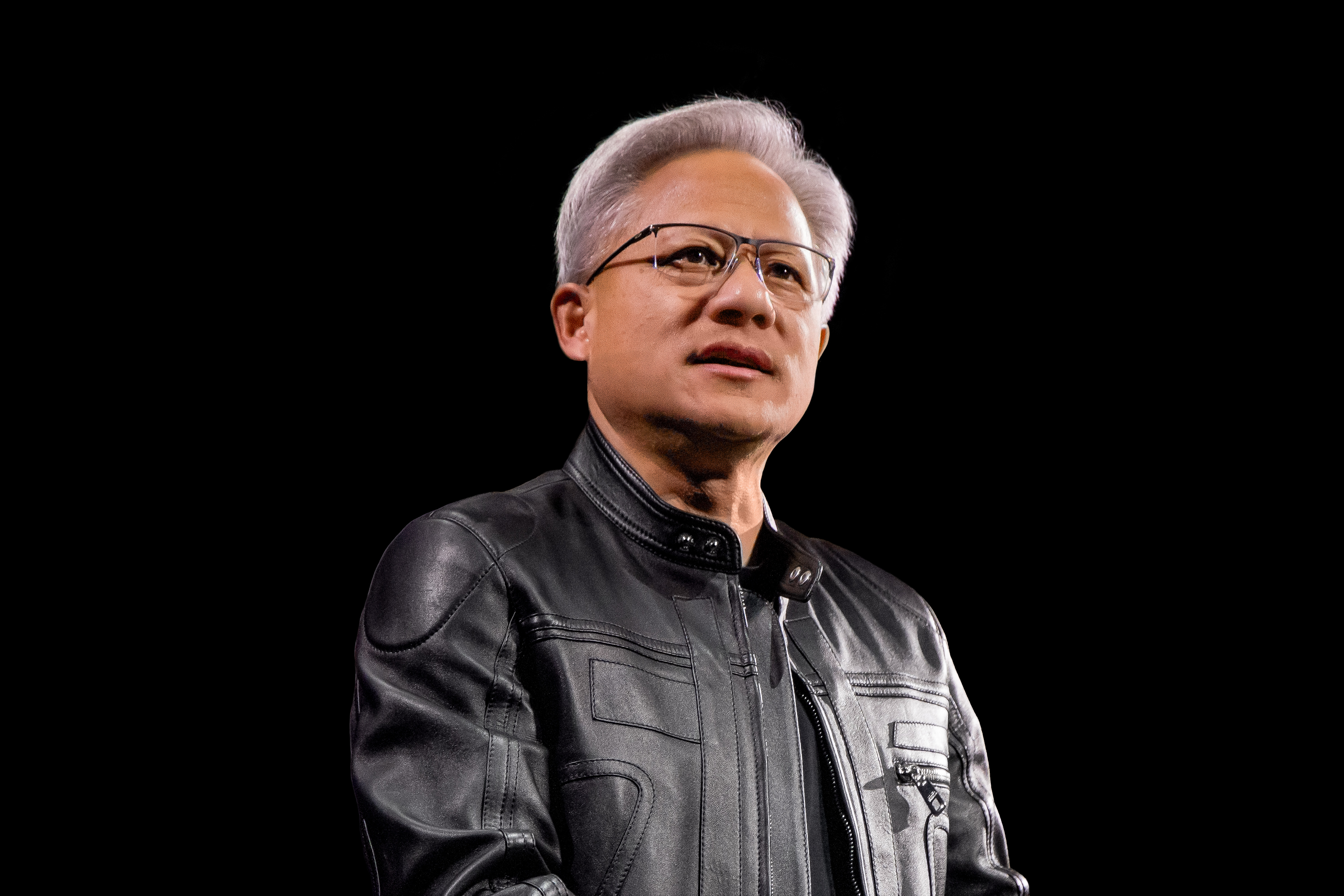
When OpenAI launched GPT-6 Astra, Nvidia CEO Jensen Huang declared that AGI had finally arrived. Yet, the developers behind the model avoided such claims, and engineers note that benchmark scores often obscure the truth. The real competitive advantage in AI is no longer the model itself, but the harness surrounding it.
This reality explains why SpaceX’s $60 billion acquisition of Cursor is a pivotal moment for the industry. Cursor excels at building the interface layer that dictates how models interact with complex workflows, a capability that now rivals the importance of the model weights themselves. As providers like OpenAI restrict access to their systems, the battle for control is shifting away from raw compute and toward the layer that translates intelligence into actual utility. For businesses evaluating these tools, the lesson is clear: ignore the AGI marketing, look past the leaderboard, and test how the specific harness handles the failures of your unique operational workflow.




Comments (0)
No comments yet. Be the first!