
The hesitation stems from the effort heuristic, a psychological principle suggesting that people assign value based on the perceived labor behind a product or service. In professional services, the relationship is the product. Clients pay a premium for the strategist who remembers past conversations or the account manager who offers nuanced, push-back insights. When a client identifies an email as AI-generated, they often interpret it as a lack of personal investment, leading them to question the quality of attention their project will ultimately receive.
Why Clients Reject AI-Generated Communication
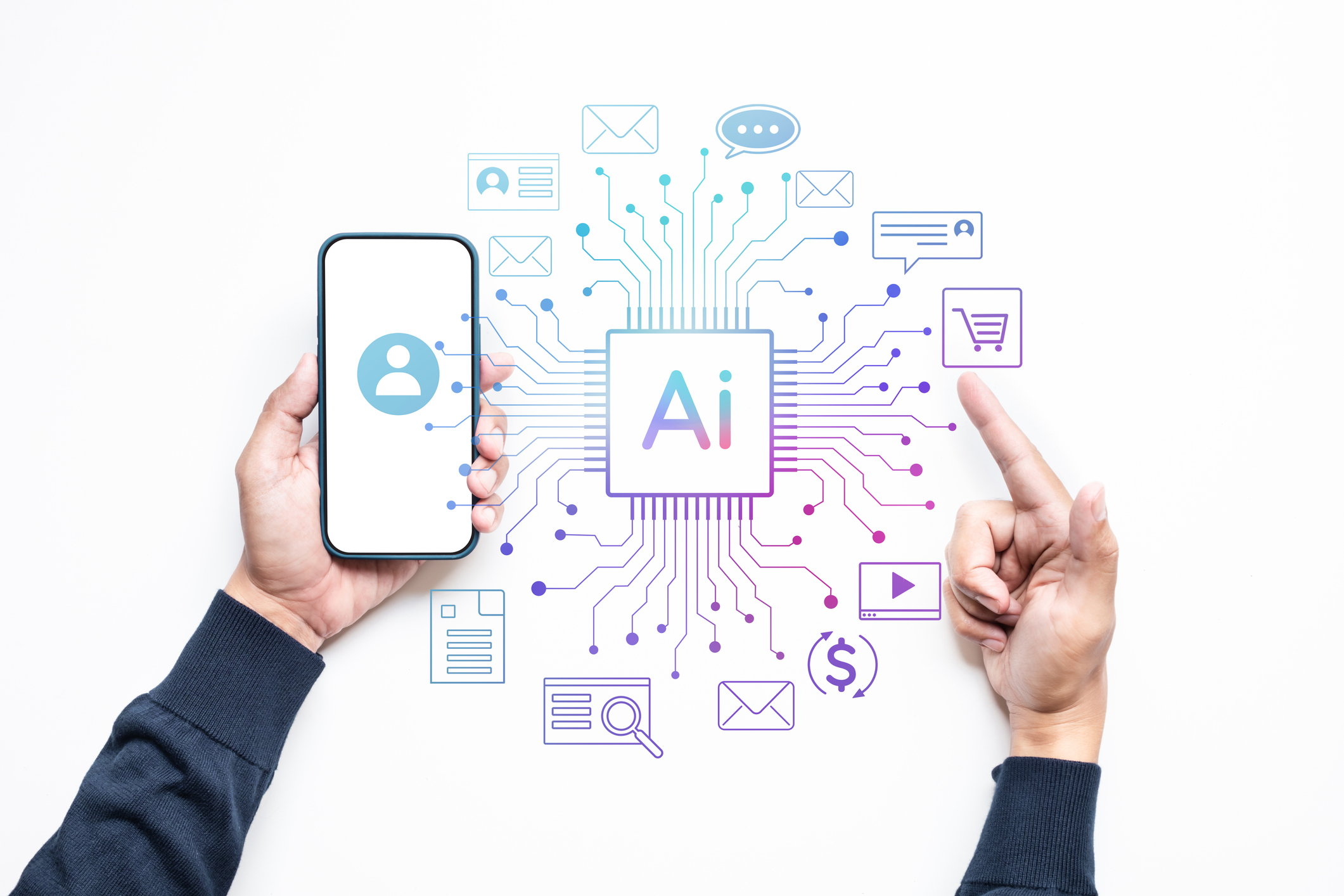
Only 17% of firms are willing to let artificial intelligence handle client communication, according to recent industry research. While companies eagerly offload repetitive tasks like scheduling and data estimation to automated tools, they draw a hard line at replacing human interaction, fearing the erosion of perceived value and personal trust.

This concern is amplified by the growing sophistication of the average consumer. As people become more adept at spotting the tell-tale patterns of machine-generated text, the risk of appearing disengaged increases. Firms recognize that if touchpoints feel templated, justifying high service rates becomes difficult. Consequently, the industry is funneling AI toward back-office functions—such as financial workflows and resource allocation—that require accuracy rather than social nuance. By automating the mechanical layers of business, firms aim to preserve the human element where it matters most: the direct, intentional connection with the client.


Comments (0)
No comments yet. Be the first!