
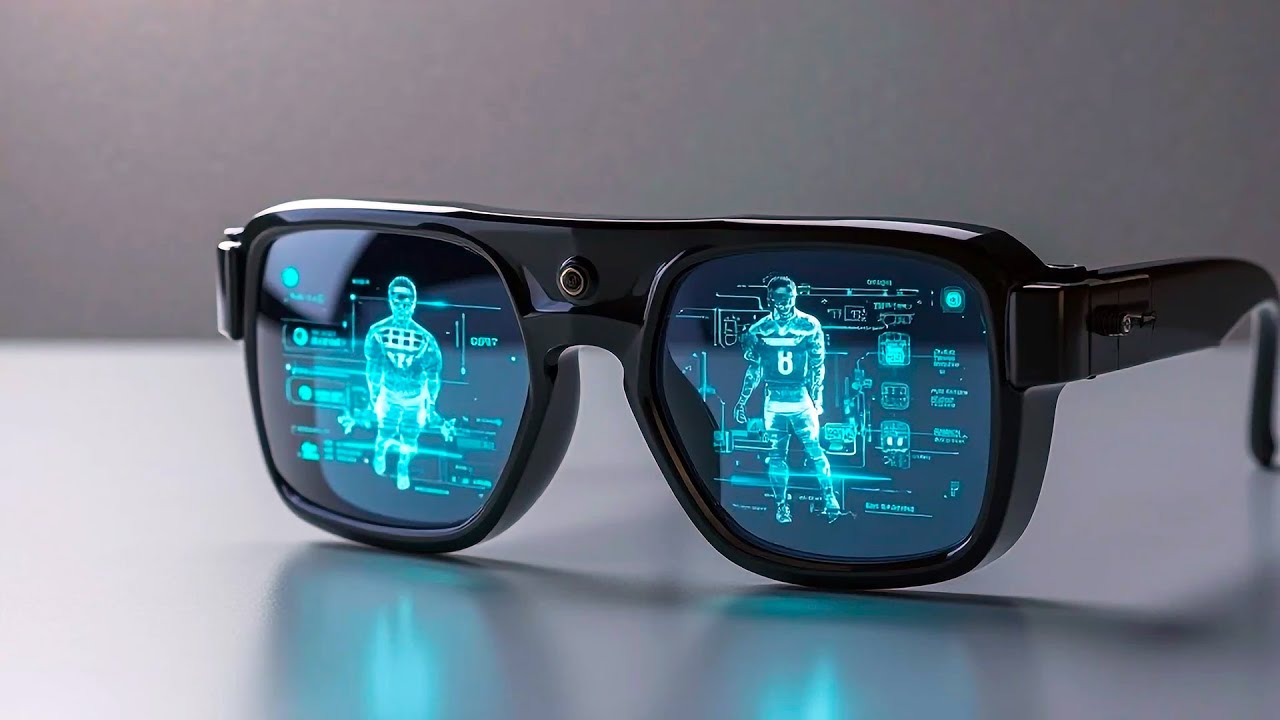
The failure of the Humane AI Pin serves as a stark reminder that novelty cannot substitute for utility. While startups experiment with rings and pendants, the industry is increasingly favoring the integration of AI into established form factors like smart glasses and earbuds. Meta, Google, OpenAI, and Yandex are all betting that users prefer familiar hardware that gains new capabilities rather than entirely new, unproven devices.
The core challenge lies in physical constraints rather than product design. Engineers must force heavy AI models into environments with limited battery life, restricted thermal capacity, and intermittent connectivity. Success depends on a delicate balancing act: offloading intensive tasks to the cloud while maintaining high-speed, local processing for immediate interactions. Companies that previously mastered smart speaker ecosystems hold a distinct advantage here, as they have already spent years solving for low-latency voice commands and hardware-efficient AI orchestration.


Comments (0)
No comments yet. Be the first!