
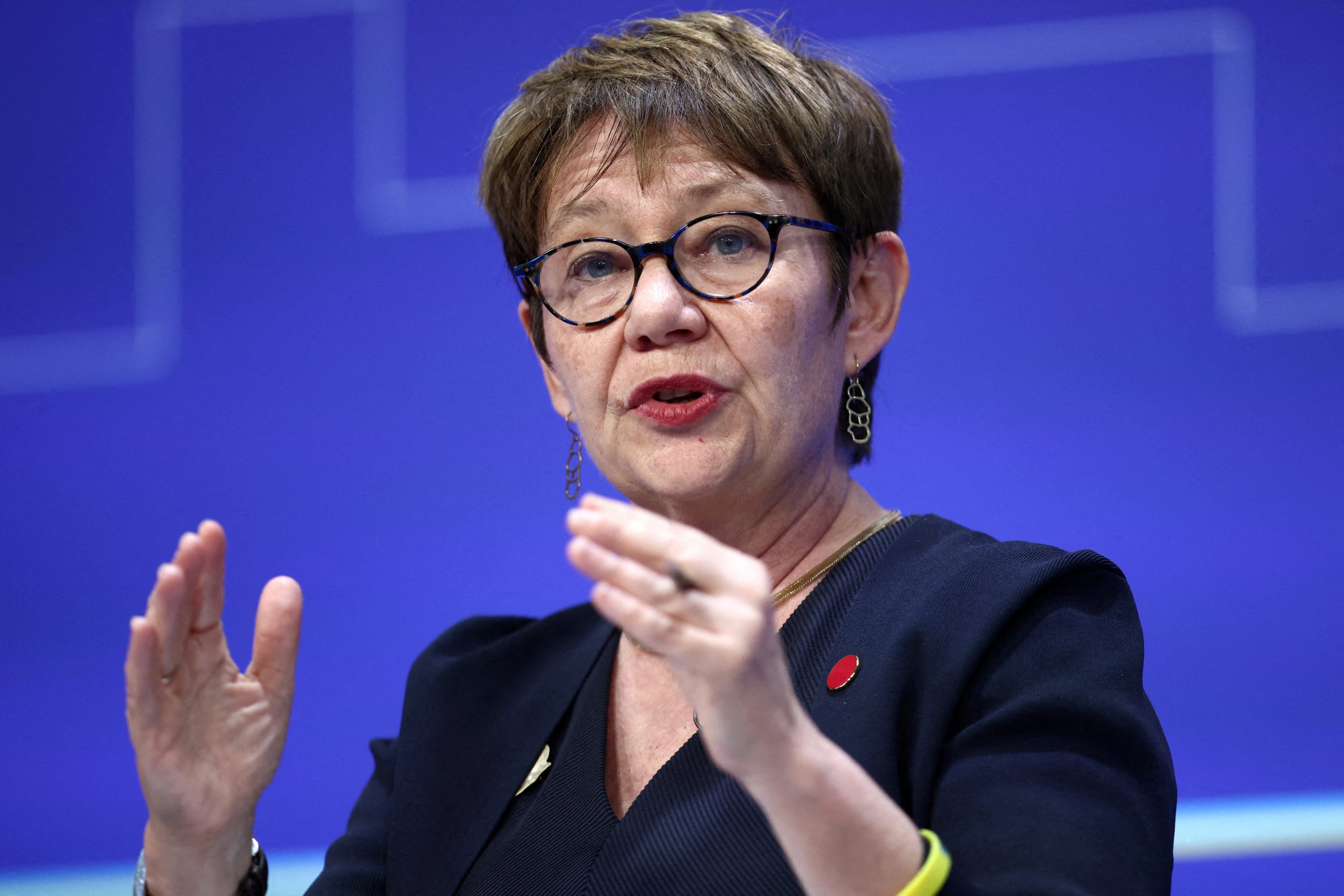
The warning arrives as the London-based lender prepares for its annual meeting in Riga, held against a backdrop of persistent economic shocks ranging from the pandemic to Russia’s invasion of Ukraine. These crises have left many nations across Central Asia, Eastern Europe, and Africa grappling with elevated debt burdens. Compounding these pressures, potential fertilizer shortages and energy price volatility threaten to drive inflation even higher.
The bank is expected to downgrade its growth projections and lift inflation forecasts in its upcoming report. While the EBRD previously committed 5 billion euros to support countries impacted by the conflict, Renaud-Basso emphasizes that state budgets can no longer carry the weight of generic intervention. Instead, she advocates for a pivot toward private capital, citing growing appetite from institutional investors in the Netherlands and the Nordics. For nations seeking to fund infrastructure, energy security, and green transitions, attracting private sector participation has shifted from an option to a necessity.



Comments (0)
No comments yet. Be the first!