
The strategy centers on cultivating a self-sustaining ecosystem where a few anchor companies generate the capital needed to fund subsequent ventures. Zach Hernandez, who moved back to Oahu to lead a talent-development firm, suggests that landing a single massive enterprise could mint dozens of millionaires capable of financing the next generation of local startups. This vision is already taking root in modest spaces, such as a repurposed café in Kailua where Normal Corp. engineers develop energy-efficient HVAC systems, and at the University of Hawaii, where students construct lunar-bound hardware. To lower the barrier to entry, the state is leasing industrial park space for subletting to startups unable to manage long-term commercial commitments.
Hawaii Pivots from Tourism to Tech in Quest for a Homegrown Unicorn
Hawaii is attempting to shed its image as a fading tourist destination by refashioning itself into a tech hub, betting that a handful of high-growth successes can trigger a regional economic transformation. State officials argue that attracting a few major players will create a cycle of wealth and local innovation.
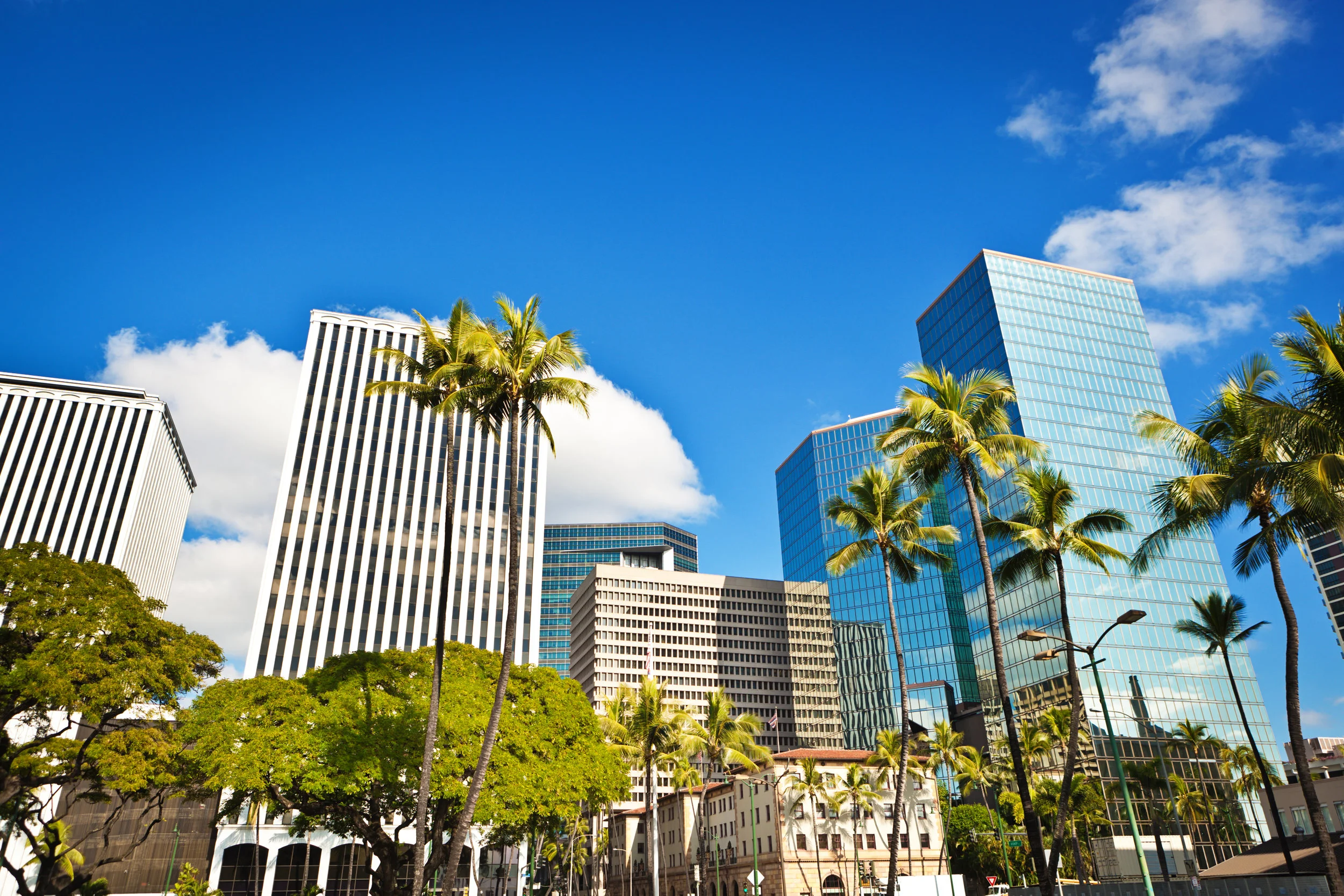
Skepticism remains among islanders wary of past policy failures. A decade-long initiative launched in 2001 that offered 100% tax credits to tech investors drained nearly $1 billion from state coffers with negligible returns. Despite this, entrepreneurs like Ashten Akemoto argue that the current focus is correct, maintaining that Hawaii needs just one "unicorn" success story to fundamentally shift perceptions and drive lasting change within the regional economy.


Comments (0)
No comments yet. Be the first!